
NFT gaming is transforming how players interact with games by combining entertainment with earning opportunities. Players can own, trade, and profit from in-game assets through blockchain technology, while play-to-earn (P2E) models allow them to earn real-world rewards. Here are 8 top NFT games leading the way in 2025:
- Axie Infinity: Battle, breed, and trade Axies to earn SLP and AXS tokens.
- The Sandbox: Create, own, and monetize virtual experiences using SAND tokens.
- Illuvium: Capture and evolve NFT creatures (Illuvials) while earning ILV tokens.
- Gods Unchained: Play a trading card game with gas-free trading and $GODS rewards.
- Splinterlands: Compete in card battles to earn SPS and DEC tokens.
- Alien Worlds: Mine resources and govern planets with TLM tokens.
- Decentraland: Buy, trade, and profit from virtual LAND NFTs and MANA tokens.
- Gala Games: Explore multiple games and earn GALA tokens through gameplay.
Quick Start:
- Choose a game based on your interests and entry cost.
- Set up a secure crypto wallet.
- Learn the game’s tokenomics and earning methods.
NFT gaming blends fun with finance, offering players ownership and earning potential. With advancements in scalability, governance, and metaverse integration, the future of NFT gaming looks promising.
1. Axie Infinity
Game Rules and Mechanics
Axie Infinity is a turn-based game where players compete using teams of three Axies – NFT creatures with unique traits. Winning battles relies on building a well-balanced team and using skills strategically.
Earning Methods
Players can earn SLP and AXS tokens by participating in PvP battles, completing adventure mode levels, or engaging in land gameplay. Breeding Axies allows players to create new NFTs, which can be sold on marketplaces or major exchanges like Binance. These two tokens form the backbone of the game’s economy, rewarding players for their participation in battles, breeding, and land-related activities.
Player Base and Community
Axie Infinity has a vibrant global community, with strong followings in Southeast Asia and Latin America. The player base includes competitive gamers, guilds that share strategies, and investors trading high-value Axies. An interesting dynamic involves experienced players, often called ‘scholars,’ lending their Axies to beginners in exchange for a share of their earnings.
Key Features
Axie Infinity stands out for several reasons:
- NFT Integration: Blockchain technology powers the game’s mechanics, making it more than just a traditional video game.
- Strategic Gameplay: Success requires mastering both in-game skills and understanding the market dynamics.
- Planned Updates: Improvements to gameplay and security are on the roadmap for 2025, ensuring the game evolves with its audience.
However, the initial cost of purchasing Axies can be a hurdle for new players. By blending blockchain technology with tokenized rewards, Axie Infinity showcases how gaming can intersect with decentralized finance.
Its thriving community and unique mechanics make it a leader in the NFT gaming space, paving the way for other titles like The Sandbox.
2. The Sandbox
Game Rules and Mechanics
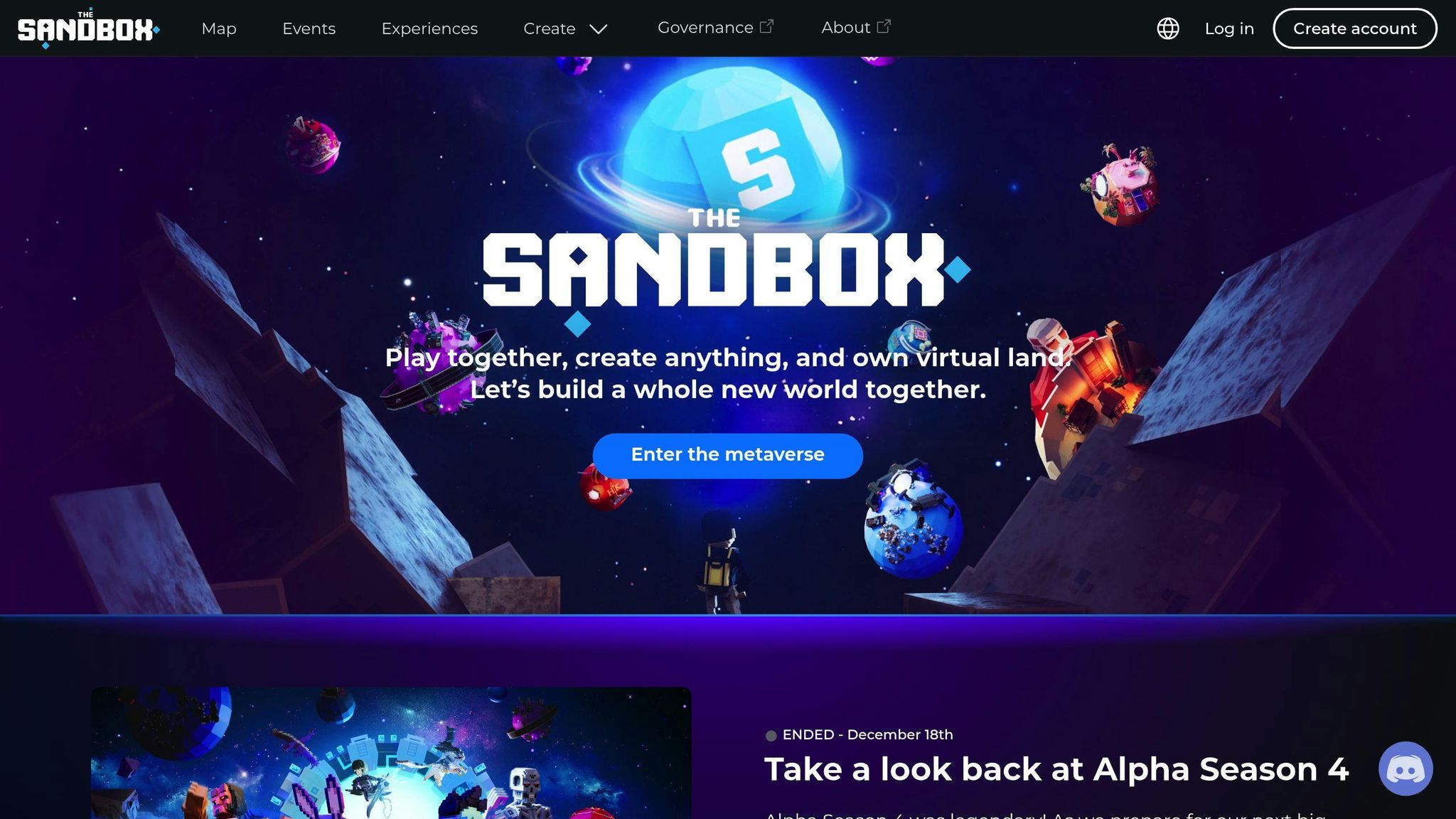
The Sandbox lets players create, own, and profit from virtual experiences using tools like VoxEdit for designing 3D assets and Game Maker for building interactive content without any coding. Within this decentralized metaverse, players have full control to design and personalize their virtual spaces.
Earning Methods
Players can make money by crafting and selling 3D NFT assets, trading LAND parcels, or monetizing games and experiences. These activities are powered by the SAND token and the Ethereum blockchain, forming the backbone of the platform’s economy and offering various income opportunities for creative users.
Player Base and Community
Collaborations with well-known brands bring together a mix of creators, gamers, and digital entrepreneurs. These partnerships have helped solidify The Sandbox as a key platform in the metaverse world, blending creativity with business opportunities.
Key Features
The Sandbox stands out with a range of features designed to enhance the user experience:
- User-Generated Content: Easy-to-use tools enable creators to develop and profit from their own content.
- Virtual Real Estate: Players can buy, develop, and trade LAND parcels.
- Community Governance: SAND token holders can vote on platform decisions, ensuring a user-driven ecosystem.
- Brand Collaborations: Partnerships with major companies offer exclusive experiences and boost platform visibility.
3. Illuvium
Game Rules and Mechanics
Illuvium brings together open-world RPG exploration and tactical battles. Players can discover, capture, and evolve Illuvials – NFT creatures, each with distinct traits. By integrating engaging gameplay with blockchain functionality, Illuvium offers a new level of player interaction and ownership.
Earning Methods
Players can earn ILV tokens in several ways: competing in PvP battles, trading Illuvials on the Illuvidex marketplace, collecting tradeable resources, or staking tokens through governance participation. The game’s economy revolves around the ILV token, offering various opportunities for players to benefit from their in-game activities and contributions.
Player Base and Community
Illuvium appeals to both gamers and crypto enthusiasts by utilizing Immutable X for gas-free NFT trading and improved scalability. This advanced technology ensures a smooth experience for everyone, whether they’re casual players or serious collectors.
Key Features
Illuvium stands out with its unique features:
- Decentralized Governance: Token holders can directly influence the platform’s development through Illuvium’s DAO.
- Illuvidex Marketplace: A dedicated platform for trading Illuvials and other in-game items.
- Immutable X Integration: Enables gas-free transactions and ensures scalability for a better user experience.
- Strategic Evolution: Players can combine Illuvials to create enhanced versions with special abilities.
With its focus on immersive gameplay and advanced blockchain technology, Illuvium sets a high bar for NFT games, inspiring titles like Gods Unchained to follow suit.
4. Gods Unchained
Game Rules and Mechanics
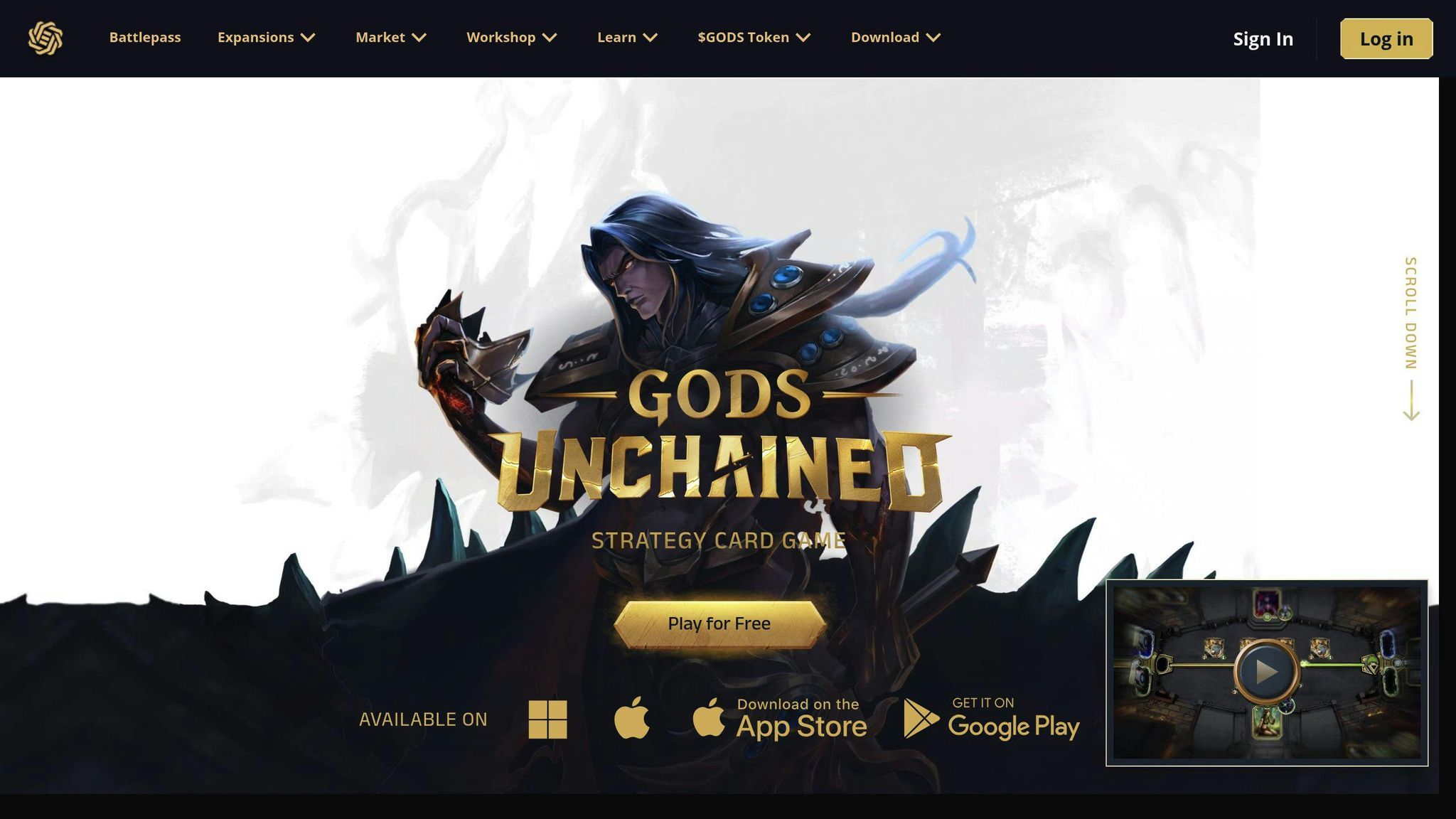
Gods Unchained mixes trading card game strategies with blockchain integration, creating a unique deck-building experience. Players start by choosing one of six Gods and building a 30-card deck. As the game progresses, players gain mana each turn, enabling more powerful card combinations. Completing objectives earns players favor, which can be used to access extra cards during matches, adding another layer of strategy.
Earning Methods
Players can earn rewards in several ways:
- NFT Crafting: Use $GODS tokens to forge new NFT cards through the crafting system.
- Rewards and Competitions: Gain $GODS tokens by participating in staking programs and competitive tournaments.
- Card Trading: Sell valuable cards on the Immutable X Marketplace.
Player Base and Community
Gods Unchained has built a strong community of card game fans and crypto enthusiasts. With leadership from Nick Clay, a former director of Magic: The Gathering Arena, the team brings traditional gaming expertise into the blockchain space. Regular tournaments and events keep the player base engaged and active.
Key Features
Several standout features set the game apart:
- Gas-free Trading: Thanks to Immutable X, players can trade cards without paying transaction fees.
- Strategic Gameplay: The mana and favor systems add depth, offering more complex strategies.
- Free-to-Play Model: New players can jump in without any upfront cost.
By merging classic card game mechanics with blockchain technology, Gods Unchained shows how NFT gaming can connect traditional gaming experiences with decentralized finance concepts.
Splinterlands, another blockchain-based trading card game, continues to explore this evolving genre with its own distinct approach.
5. Splinterlands
Game Rules and Mechanics
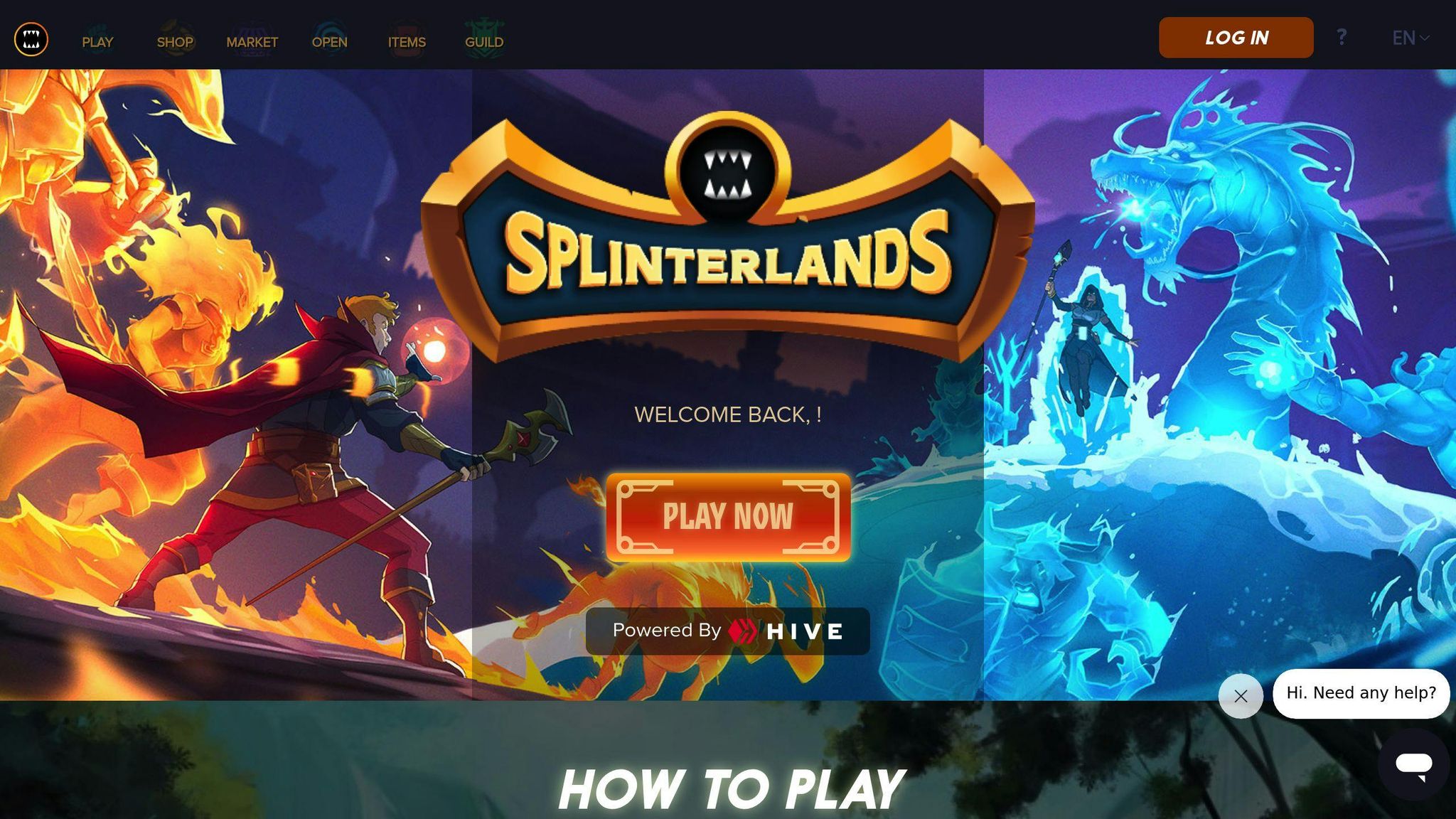
Splinterlands is a collectible card game (CCG) built on the Hive blockchain, where players compete in strategic battles. The game challenges players to build decks by selecting cards with a mix of attributes, abilities, and mana costs. Success comes down to crafting a strategy that maximizes the strengths of your cards while countering opponents’ moves.
Ways to Earn
Splinterlands uses two tokens: SPS for governance and DEC as the in-game currency for rewards and transactions. Players can earn by completing daily quests, competing in ranked battles and tournaments, trading cards, or staking tokens to receive passive rewards.
Community and Player Engagement
With one of the largest blockchain gaming communities, Splinterlands boasts an active eSports scene and a bustling marketplace. The game’s community plays a big role in maintaining a vibrant trading ecosystem, where cards and assets retain their value through consistent activity.
Standout Features
Several features set Splinterlands apart:
- Cross-platform compatibility ensures players can access the game on any device with ease.
- A ranking system that rewards not just participation but skill and strategy.
- Frequent updates and a lively marketplace keep the experience engaging and evolving.
Splinterlands shows how blockchain can elevate traditional card games by combining strategic gameplay with opportunities to earn. While it focuses on competitive card battles, other games like Alien Worlds explore different genres by blending strategy with resource management in a sci-fi universe.
6. Alien Worlds
Game Rules and Mechanics
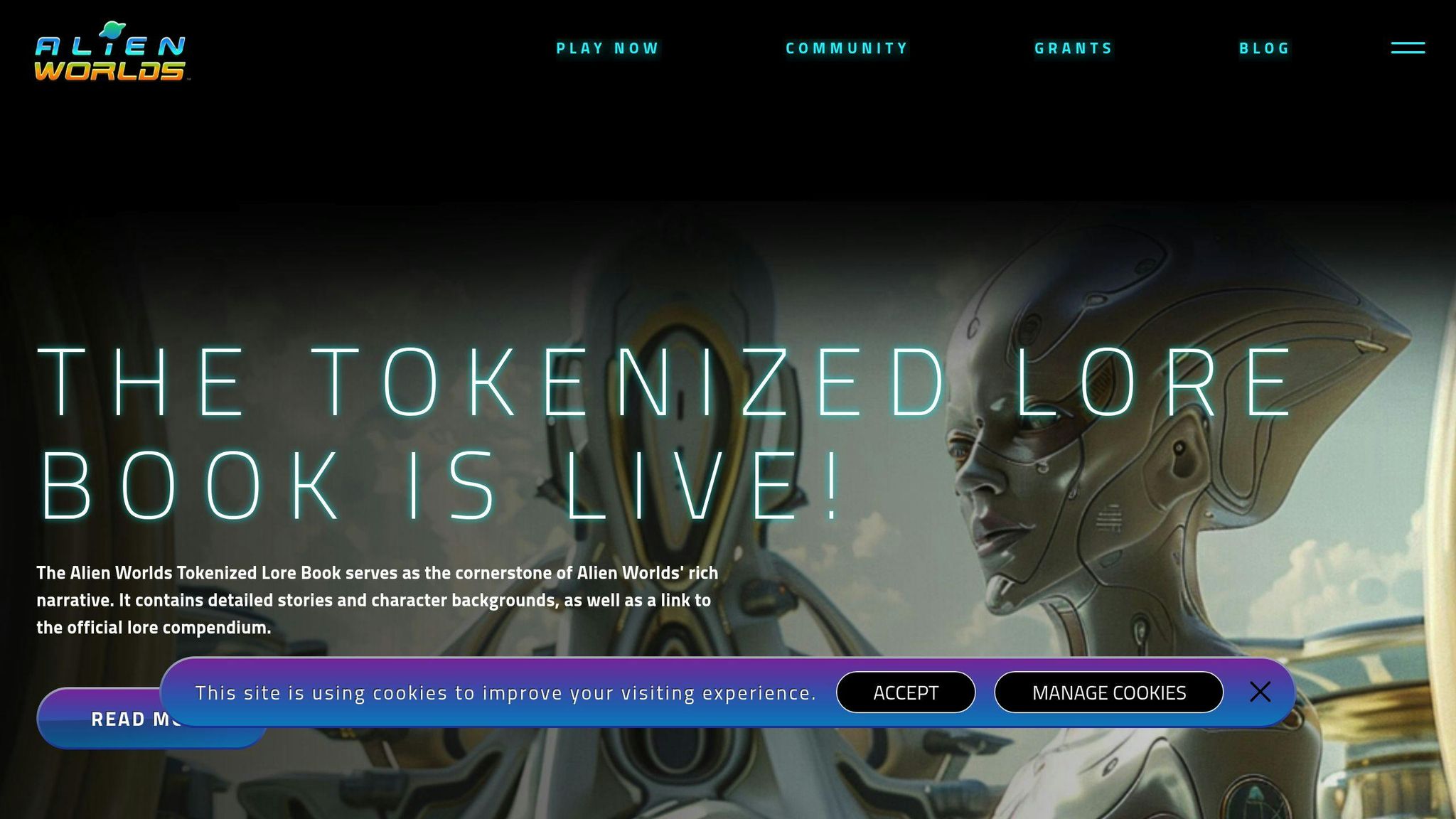
Alien Worlds runs on the WAX blockchain, offering a sci-fi adventure where players explore planets, mine resources, and battle alien creatures. Using NFT tools, players mine Trilium (TLM), with each planet presenting distinct challenges and rewards.
Earning Methods
Players can earn TLM through mining, battling alien creatures, and staking tokens to gain governance rewards. The game combines NFT tools with strategic gameplay, offering several ways for players to generate income.
Player Base and Community
With over 2.5 million players, Alien Worlds boasts an active community. Frequent blockchain transactions and token listings on major platforms like Binance support its growth. The game’s governance system allows players to take part in shaping the future of its virtual planets.
Key Features
Alien Worlds stands out with these features:
- Decentralized Governance: Players influence planetary growth and development while enjoying unique mining and reward opportunities on each planet.
- NFT Tools: Players can own, trade, and use NFTs for mining and battles.
- Multi-Blockchain Interaction: The game connects with multiple blockchain networks, helping players boost their earnings.
sbb-itb-5377f0d
7. Decentraland
Game Rules and Mechanics
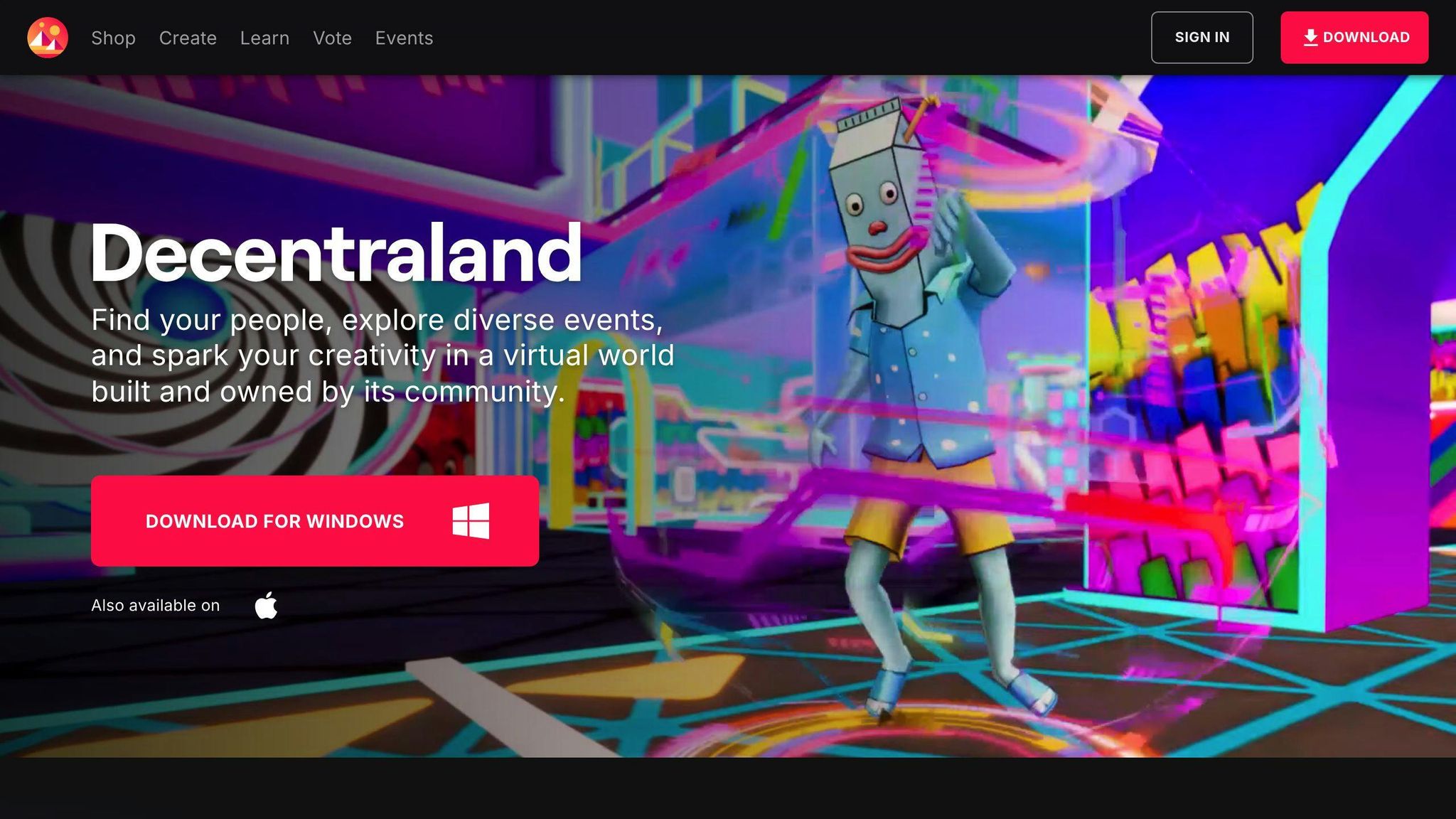
Decentraland is a trailblazer in the world of virtual property ownership, showcasing how blockchain technology can power decentralized metaverses. Built on Ethereum, it allows users to create, own, and profit from virtual spaces while crafting personalized experiences.
Earning Methods
Players have several ways to generate income:
- Trading LAND NFTs, particularly in high-demand locations.
- Designing and selling digital items, such as wearables.
- Leasing virtual properties to earn passive income.
- Hosting paid events and interactive experiences.
Player Base and Community
Decentraland thrives on an active network of creators, developers, and virtual entrepreneurs. What sets it apart is its user-driven governance model. Through its DAO (Decentralized Autonomous Organization), holders of the MANA token can directly influence the platform’s decisions and future developments.
Key Features
Decentraland stands out with several notable aspects:
- Creation and Commerce: Built-in tools and an easy-to-use marketplace let users design, trade, and monetize virtual assets without needing advanced technical skills.
- Immersive Experiences: The platform integrates with other blockchain systems to enable global events and more engaging interactions.
- Community-Driven Governance: The DAO ensures users have a say in shaping the platform through proposals and voting.
Decentraland’s approach has attracted big names like Samsung, Atari, and Sotheby’s, further highlighting its economic opportunities in the NFT gaming world.
While Decentraland emphasizes virtual reality and community-led governance, Gala Games takes a more expansive route by supporting a variety of NFT-based games.
8. Gala Games

Game Rules and Mechanics
Gala Games showcases how NFT platforms can go beyond single-game setups, creating a full ecosystem for both players and investors. Its flagship game, Town Star, combines resource management with an NFT-based farming simulation, offering a blend of strategy and ownership.
Earning Methods
Players have several ways to earn on Gala Games. By actively playing, they can complete objectives and daily challenges to receive GALA tokens and NFTs. The platform’s marketplace allows users to trade NFTs for cryptocurrency, while owning in-game assets can generate passive income. Additionally, players can earn by participating in platform governance, influencing decisions and future developments.
Player Base and Community
Gala Games appeals to both casual gamers and NFT enthusiasts, building a lively and engaged community. Its governance system is a standout feature, enabling token holders to have a say in game selection, development priorities, and the platform’s overall direction.
Key Features
What sets Gala Games apart? Here are some highlights:
- Multi-Game Portfolio: Offers a variety of games with different gameplay styles.
- Blockchain Integration: Ensures secure ownership and trading of assets.
- Community Governance: Empowers players to shape the platform’s future.
- Cross-Game Asset Utility: Some NFTs can be used in multiple games, boosting their value and appeal.
Top Blockchain Games You Need to Play in 2025
How to Begin Playing NFT Games
Starting with NFT games involves a few straightforward steps to ensure a smooth and secure experience.
Setting Up Your Wallet
First, pick a reliable crypto wallet that’s compatible with NFT games. Hardware wallets like Ledger or Trezor offer top-notch security, while software wallets are easier for beginners to use. Make sure to set a strong password and store your recovery phrase offline for added safety.
Choosing Your First Game
When picking your first NFT game, think about these factors:
- Entry costs: Some games, like Gods Unchained, are free to play.
- Gameplay style: For example, Splinterlands focuses on card battles.
- Player community: Games like Axie Infinity have large, active communities.
- Rewards: Titles like Illuvium offer multiple ways to earn rewards.
If you’re just starting out, go for games with low or no entry costs. Many games include beginner-friendly tutorials, so you can learn as you play. Platforms like Splinterlands are great for newcomers because of their detailed guides.
Staying Secure and Understanding Game Economics
To protect your assets, follow these security tips:
- Regularly check your account activity.
- Double-check transaction details before confirming.
- Keep your wallet and game software up to date.
It’s also important to understand the game’s economic system, often referred to as tokenomics. Look into how tokens are distributed, their supply, and the reward structure before making large investments.
Joining the Community
Get involved with official game communities to stay in the loop on updates and security news. Being part of these groups not only keeps you informed but can also enhance your overall experience and earnings.
Once you’re up and running, keeping an eye on the latest trends and updates in the NFT gaming world will help you get the most out of your journey.
What’s Next for NFT Gaming
The world of NFT gaming is changing fast, driven by trends like cross-game compatibility and deeper integration with the metaverse. These shifts are shaping the future of the industry.
Cross-Platform Integration
Games such as Axie Infinity are leading the way by using dual-blockchain systems like Ethereum and Ronin. This approach helps boost speed and cut costs. More projects are now exploring similar solutions, including layer-2 scaling and cross-chain bridges, to improve efficiency and user experience.
Metaverse Expansion
Platforms like The Sandbox and Decentraland are giving players new ways to interact. From monetizing content and trading assets to hosting events and connecting in shared virtual spaces, these platforms are building rich, interconnected worlds that keep players engaged and open up fresh economic opportunities.
Pushing the Limits of Technology
New projects are raising the bar with cutting-edge graphics and gameplay mechanics. These advancements aim to rival traditional games, making the NFT gaming space more appealing to mainstream players.
Rethinking Economic Models
Games like Gods Unchained are finding ways to balance accessibility with profitability. By offering free-to-play options alongside robust NFT ecosystems, they tackle challenges like long-term sustainability while keeping players interested.
Market Trends
The growth of NFT gaming is fueled by blockchain improvements, increasing mainstream interest, community involvement, and cross-platform compatibility. These factors are helping to improve scalability, user experience, and the utility of in-game assets.
Navigating Regulations
Regulatory compliance is becoming a key focus for NFT gaming projects. This includes adhering to rules around intellectual property, data privacy, financial transactions, and asset security.
"The play-to-earn model has the potential to revolutionize the gaming industry by providing a new way for players to monetize their time and skills." – Aleksander Larsen, Co-Founder of Sky Mavis (Axie Infinity)
As the industry matures, there’s a clear shift toward more polished gaming experiences that combine entertainment with earning opportunities. Projects like Illuvium are setting new benchmarks by blending high-quality gameplay with solid economic systems. These developments point to an exciting future for NFT gaming, where fun and financial opportunities go hand in hand.
Conclusion
NFT gaming is changing how players interact with games, blending fun with the chance to earn. The key to its success lies in creating games that are both enjoyable and built on sustainable earning systems, which helps keep players engaged and communities growing over time.
For newcomers, free-to-play games like Gods Unchained offer a great way to get started without financial risk. These games let you learn the ropes before deciding to invest. As we’ve seen earlier, improvements in areas like scalability, governance, and cross-platform compatibility are shaping a more accessible and connected gaming landscape.
"The play-to-earn model has the potential to revolutionize the gaming industry by providing a new way for players to monetize their time and skills." – Aleksander Larsen, Co-Founder of Sky Mavis (Axie Infinity)
The future of NFT gaming looks bright. With better technology and smarter economic systems addressing early hurdles, the industry is evolving. Projects like Illuvium are setting higher benchmarks by integrating privacy-focused tools and advanced scaling methods. These shifts indicate a move toward more complex and engaging gaming experiences.
NFT gaming stands at the crossroads of fun and finance, opening doors for both players and investors. As the space continues to grow, its ability to combine cutting-edge tech with player-driven economies will shape its impact on gaming and decentralized finance alike.


